

Sorooshian: Air pollution is a hidden cost of war
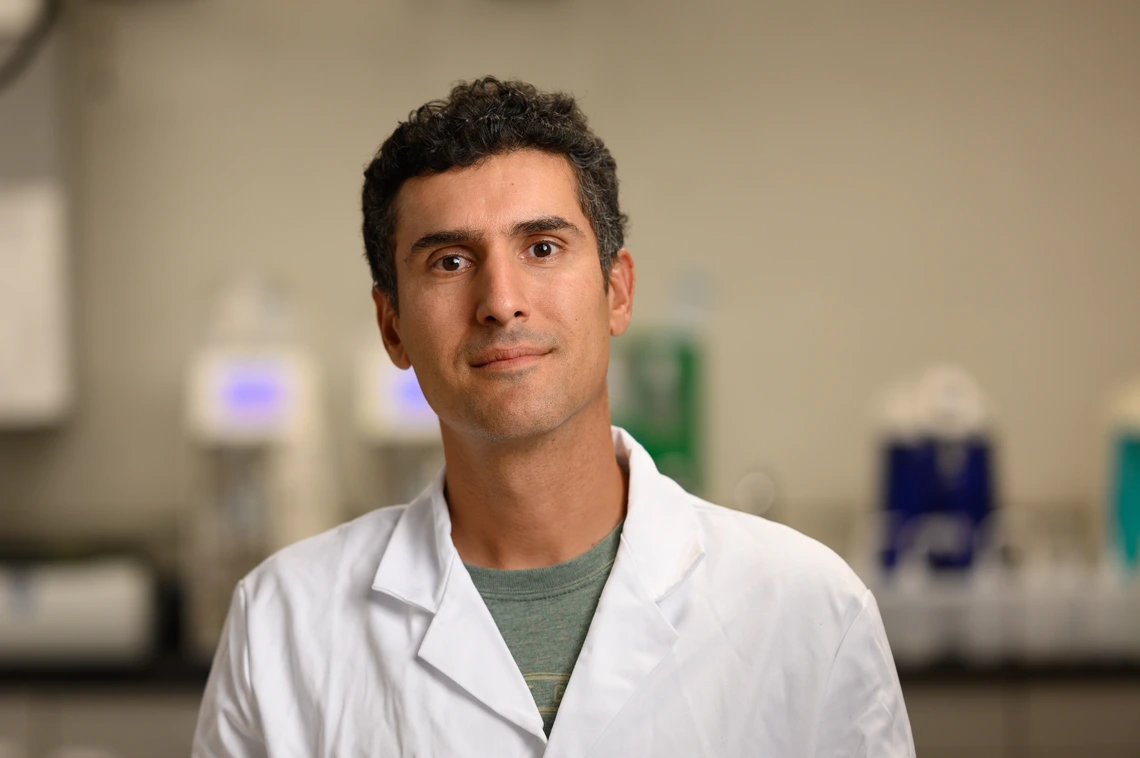
CHEE professor Armin Sorooshian's research focuses on the effect of aerosol particles on the environment, clouds and rainfall, climate and public health.
Chemical and environmental engineering professor Armin Sorooshian recently wrote an article for The Conversation about the unexpected health impacts of air pollution in war-torn cities. As if the situation was not dire enough, air pollution from burning buildings can unleash a slew of invisible health threats.
"As a chemical and environmental engineer who studies the behavior and effects of airborne particles, I have been following the damage reports to understand the health risks residents are facing as toxic materials get into the air. The risks come from many sources, from heavy metals in the munitions themselves to the materials sent airborne by what they blow apart...
These pollutants can harm the lungs, making breathing difficult, and worsen cardiovascular problems, contributing to heart attacks, among other health damage. Tiny particles smaller than 2.5 micrometers, called PM2.5, are especially harmful because they can travel deep into the human respiratory system. But larger particles can also bring major airborne health risks.
When buildings are heavily damaged or collapse, the rubble often contains crushed concrete, gypsum and carcinogenic fibrous materials, such as asbestos. Even after the initial dust settles, wind and other disturbances, including efforts to find survivors or clear the rubble, can send those materials back into the air, putting more people at risk."